


Greetings everyone -
The year is drawing to an end, and that means every other link you click is a Best of 2025 list. And you know what, that’s just fine; if you’re at all like me, you just keep on clicking. Give me more of the best stuff, show me what all the best stuff was, I can’t get enough of it. And I’ll tell you what, I’m even going to contribute to this benevolent plague of listmaking, because I haven’t yet seen what I want, and what dear readers of this newsletter might want: A guide to the media that critically examined the role of technology in politics, culture, and society.
Speaking of those readers: Permit me to embrace the season of sentimentality and get real with you all for a minute here before we get onto the lists. I want to say thank you for reading, discussing, and supporting this work through what was a particularly dark year. When I went all in on this thing back in February, I really had no idea whether it could become a monetarily viable long-term undertaking aka a job. As I recently discussed at (much) greater length, you’ve all shown me it can be. I still have a lot of work to do and goals to meet. But I count myself as beyond fortunate to be able to do this work, on my terms: to try make sense of the world of AI and its impact on the working class, to document the rise of the tech oligarchy, and to write long-winded reviews of Frankenstein.
There are now 33,000 beautiful machine breaking subscribers here, many more than I would have predicted this time last year. Cheers to you all, with an extra emphatic thanks to those of you who support this work with your hard-earned cash—it’s you who quite actually make all of this materially possible, and I would not have been able to do any of this without you. There would be no AI Killed My Job stories, no investigations into LA’s torched Waymos of LA, no dispatches from the frontlines of the Luddite renaissance. Thanks again everyone.
I’m going to take a couple weeks off for the holidays here, though hopefully this ~8 million word edition will help tide you over, and I’ve scheduled another special post or two to help fill the gap. But I’m going to try to log off for real: You know, ditch the laptop, power down the phone, hang out with the fam and read through a stack of Ursula K. Le Guin novels. I’ll be back in the New Year. Until then, what else—hammers up.
The best nonfiction books on tech of 2025
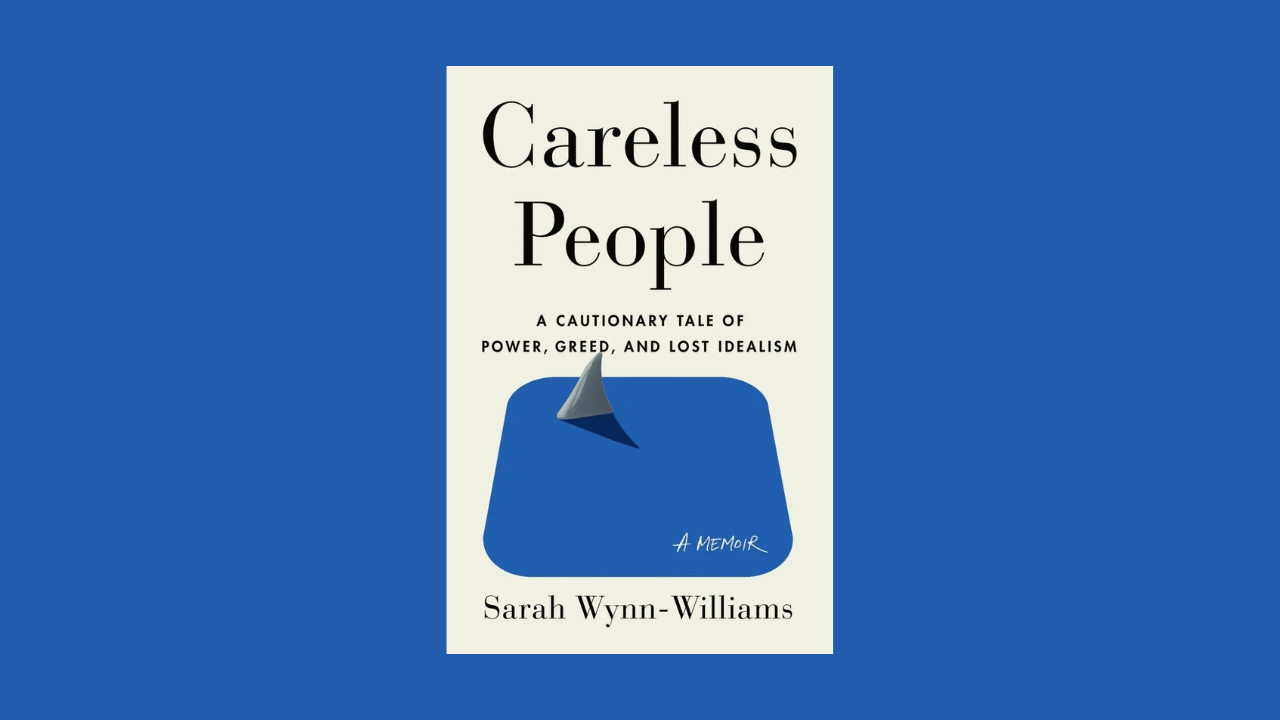
Careless People
Okay, so I’m starting the list off with a curveball, because I don’t actually think this was one of the ‘best’ books of the year, as it’s frustratingly uncritical in a host of ways. But Sarah Wynn-Williams’ memoir about her time as a lower-level executive at Facebook may be the best inside-the-palace look we’ve gotten at the workings of its c-suite, and at Mark Zuckerberg’s personal politics and motivations.
This alone makes it invaluable. The book helps us better grasp the deep vanity and omnipresent insecurity that wracks Zuck, a man who views himself as a modern-day Roman emperor yet who is childish and petulant and never quite sure about what he’s supposed to be doing unless it’s shipping code. We knew Facebook’s management was reckless and ignorant, this book draws those operational deficiencies into starker focus; we see opportunities Facebook had early on to consider data privacy (via feedback from the German government), its toxic impact on young people, especially girls (via its own internal marketing documents that sell the platform’s power over vulnerable users to clients), and the looming dangers of its hands-off policy in Myanmar (via the author’s own multiple engagements with the junta), where the UN later determined a military dictatorship used Facebook to help foment a genocide.
The problem is, Wynn-Williams goes to great lengths to exempt herself from any serious blame or reckoning. She perennially casts herself as naively believing in the power of the platform to connect people, despite everything, and the act gets old quick. A better book would more honestly interrogate her own role, and examine how it is that even well-meaning employees come to abet such an obviously amoral enterprise. Still, it’s a brisk read, illuminating, and will deepen your understanding of the politics and postures of the Big Tech executive set.
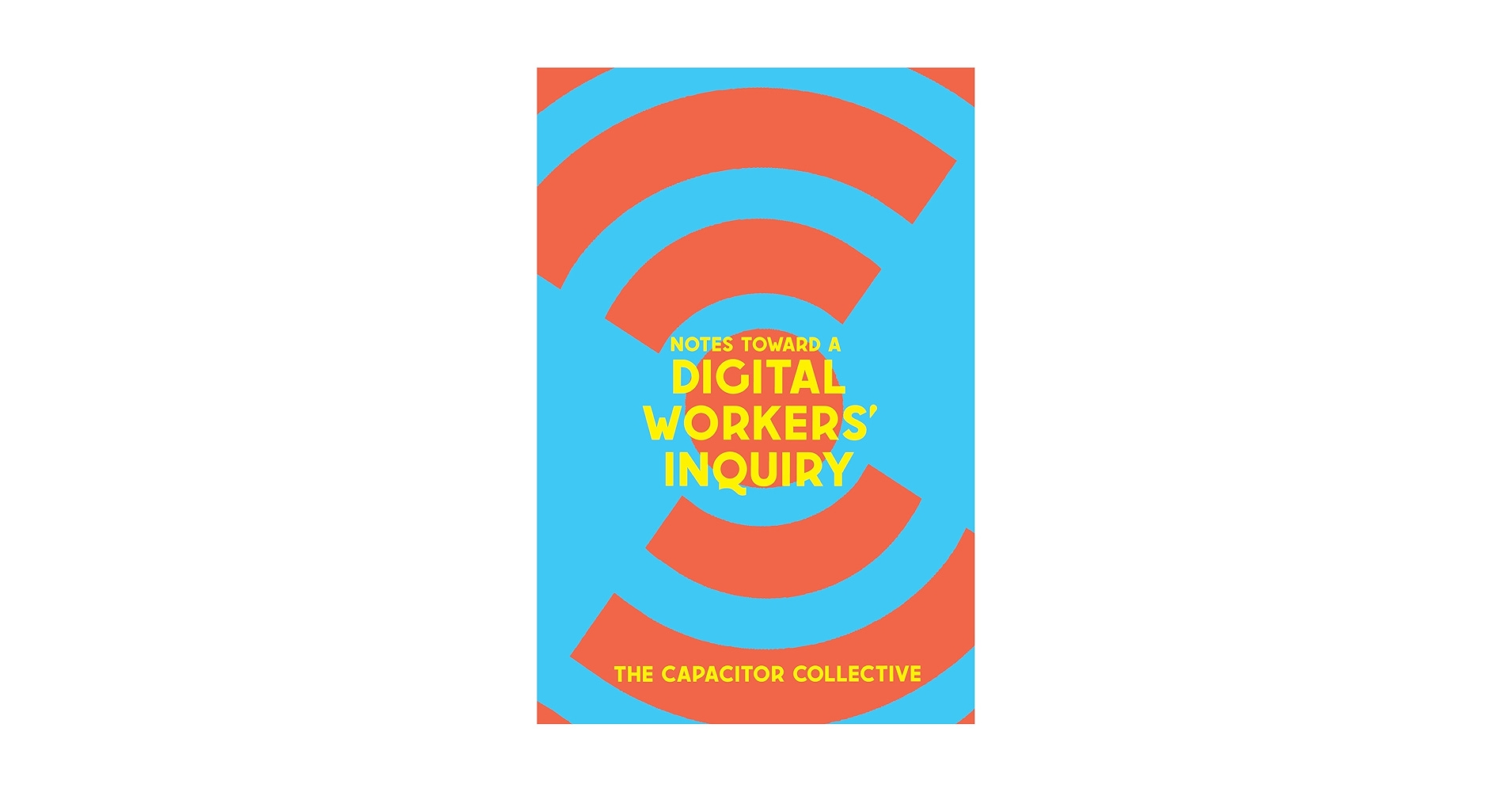
Notes Toward a Digital Workers’ Inquiry
One of the keys to building a better future is getting more tech workers organized; both the better-paid (if increasingly precariously employed) engineers and product people at the big tech companies, and the much lower-paid gig workers who make up an ever-growing share of the workforce. This book by the Capacitor Collective—a group of respected tech researchers and activist scholars—is an invaluable resource for anyone interested in sparking that fire. And we all should be.
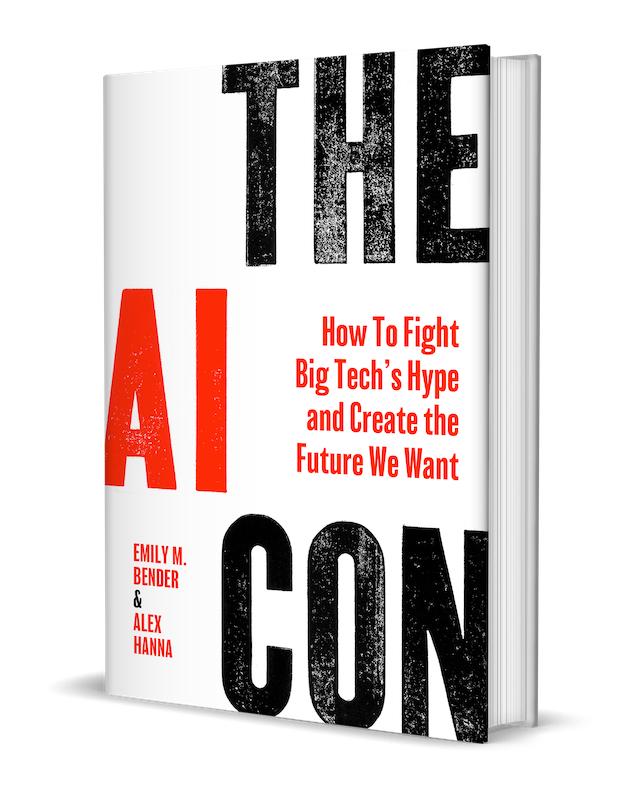
The AI Con
Few have done more to peel away the layers of AI hype that pervade the headlines and punditry than linguist Emily Bender and sociologist Alex Hanna. Both are esteemed scholars and lively writers, and the book is a compelling, clear-eyed analysis of modern AI and the industry hocking it. Somewhat surprisingly, it isn’t always as polemical as you might think, given the title and the authors’ knives-out commentary on their podcast. In fact, I’d go so far as to say that it’s an ideal primer for the layperson about how large language models really work, and a nice dissection of how the industry manufactures then exploits misconceptions about AI for profit.
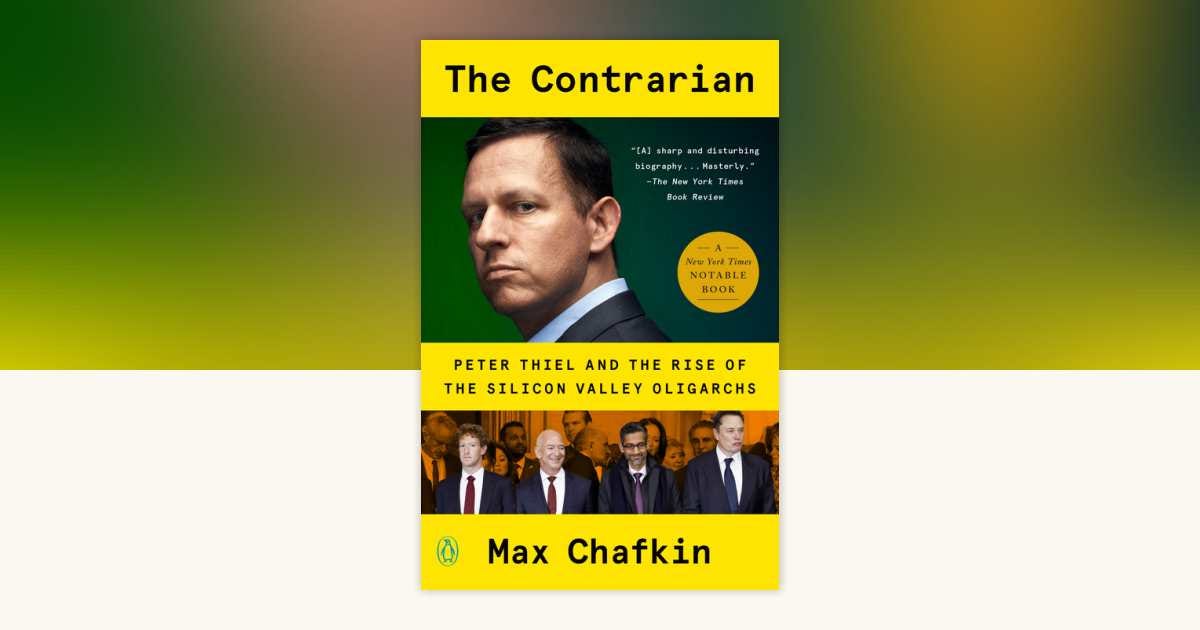
The Contrarian
Penguin Books published a new paperback edition of Max Chafkin’s extremely readable biography of Peter Thiel this year, and it’s easy to see why. The book, originally published in 2021, charts the rise and dealings of the first Silicon Valley mainstay to openly embrace Trump. Its new tagline, “Peter Thiel and the Rise of the Silicon Valley Oligarchs,” and new cover, which features the now-infamous photo of Jeff Bezos, Sundar Picchai, Elon Musk, and Mark Zuckerberg at the inauguration, underline its newfangled relevance in big black sharpie.
The fresh coat of paint is well-deserved; the book is an illuminating look not just at Thiel but at the politics of the tech right, its roots, and how Thiel and his cohort—including Trump’s now-AI czar David Sacks—helped foist it all to power. The first half especially is a must-read, given where we’ve wound up. It details Thiel’s days as a rightwing campus culture warrior at Stanford, the scammy tactics he adopted at PayPal to juice its rise, and his murky maneuverings at Palantir. It’s also a great companion piece to the next book on the list, too.
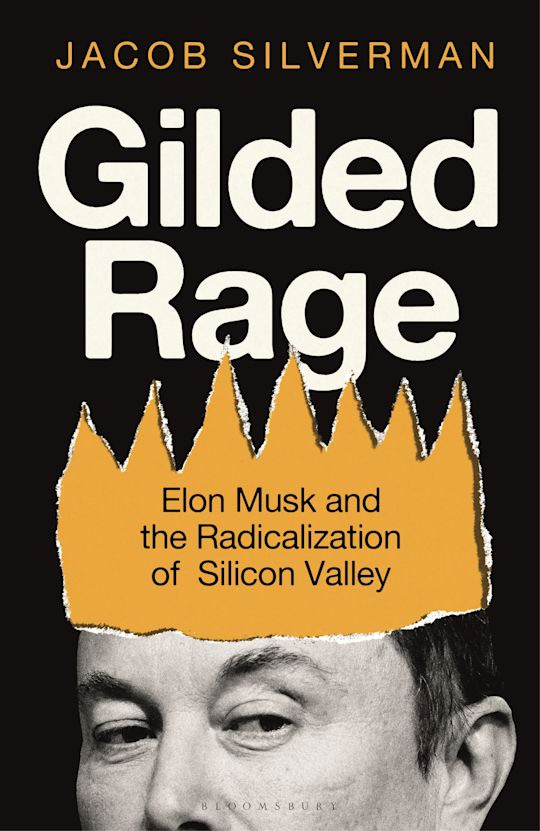
Gilded Rage
Free idea: Have your reading group or book club to do a ‘rise of the American tech oligarchy’ two-parter, starting with the Contrarian to get the origin story, then hitting Jacob Silverman’s Gilded Rage next to see how it’s played out. Silverman spends more time with Musk, for the obvious reasons, and delves into many sordid corners of the new tech elites’ world in his effort to understand the nature of their quest for power and dominance.
Silverman and I chatted about his book for the blog here earlier this year, and here’s what I wrote about the book then:
David Sacks, Elon Musk’s compatriot, is the White House’s AI and crypto czar. Executives from the VC firm Andreessen Horowitz, or a16z, are in advisory roles. JD Vance, whose mentor was Peter Thiel, owes his career to Valley operators. And not only are they in power, but they’re angry. They practice a politics of pitched persecution and extreme resentment that can be baffling to those of us who’d kill to simply not have to worry about paying the rent for a year. As Silverman puts it in his book, these tech titans “had the world at their fingertips and they couldn’t stand the touch.”
Silverman’s book… argues that we shouldn’t view the tech billionaires as a collection of eccentric elites, but as a class; a group that, whether they publicly present as liberals or conservatives, share a distinct set of ambitions and goals: Slashing regulations and oversight, lowering taxes, extracting value from the state, and concentrating power.
Essential reading for understanding the shape of power in the age of the tech billionaire.
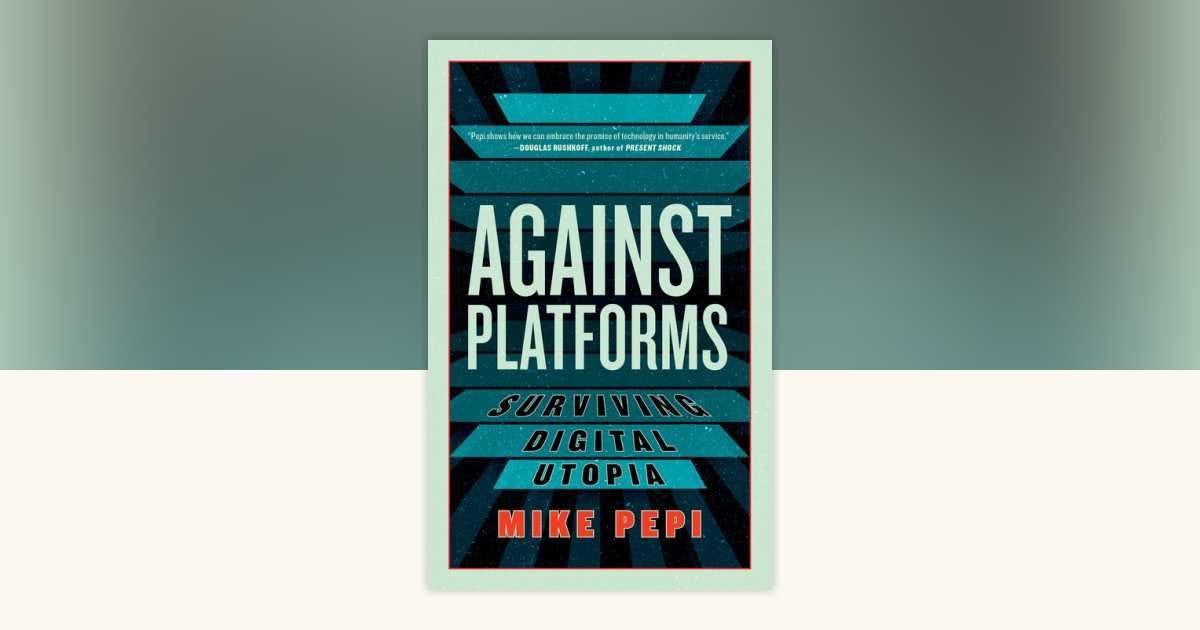
Against Platforms
A sharp and erudite argument against, well, platforms. What can I say, Mike Pepi’s book does what it sets out to do: It makes the case against techno-utopianism, and articulates how and shy turning over our public services and sociality to culture- and civics-agnostic profit-seeking tech companies has been a disaster. It’s a compelling call to replace those platforms, from the gig work apps to social media networks, with institutions, and a much-needed one. Plus, it’s short! You can read it in an evening or two. More good short books, please—and fewer platforms.
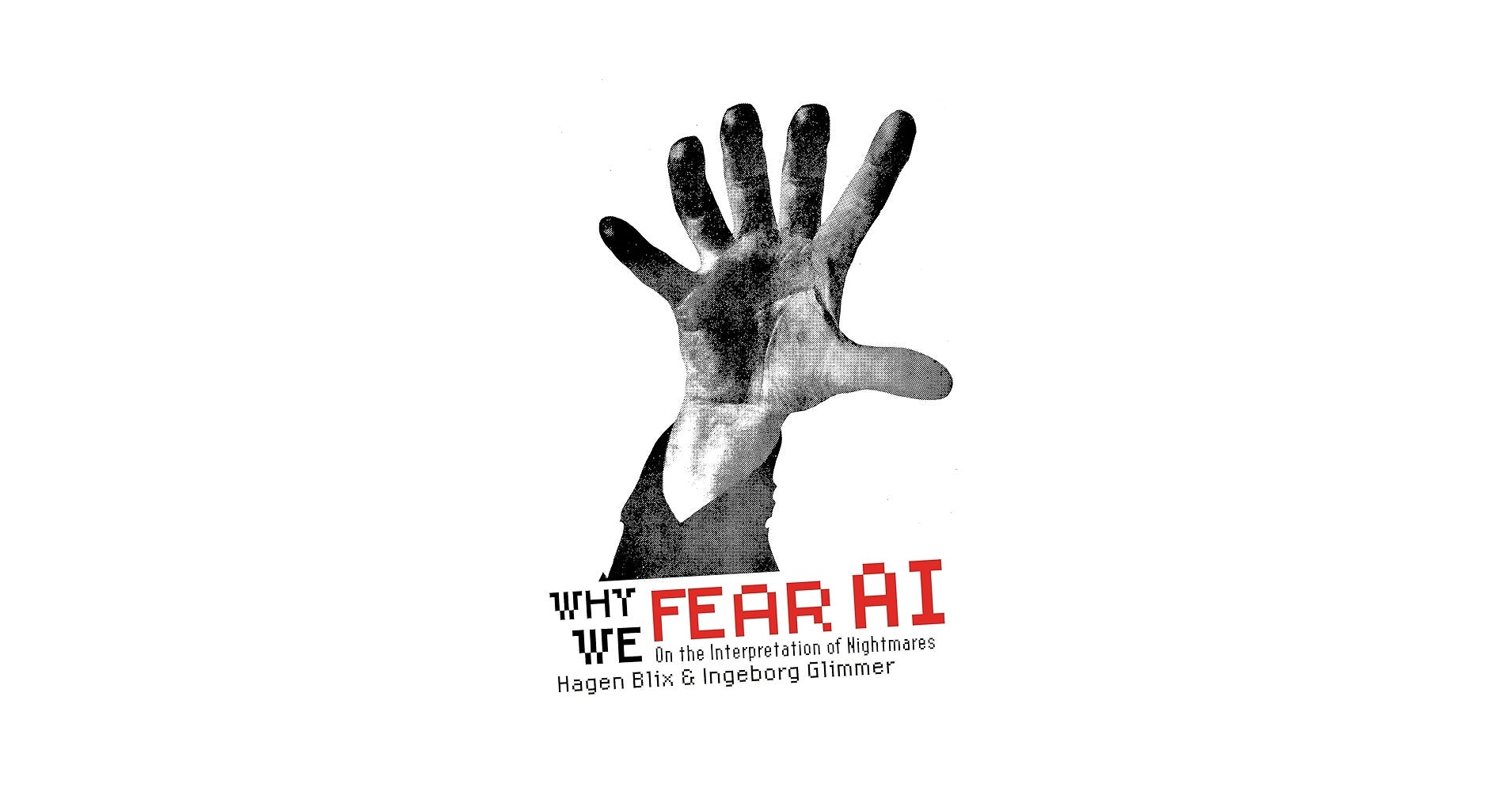
Why We Fear AI
Another good short book! This one, by cognitive scientist Hagen Blix and machine learning researcher Ingeborg Glimmer, argues that we fear AI not because we fear the unknown, or some undefinable future, but because it embodies the worst traits of capitalism: surveillance, wage suppression, mass automation. Our nightmares about getting crushed by an all-powerful Skynet are really nightmares about getting crushed by the ruling class. The book carries a little extra weight since it was authored by scientists working in the field, not Jacobin columnists—nothing against the Jacobin columnists of course—and all in all, I found it compelling and persuasive. Pairs well with Ted Chiang’s great essay “Will A.I. Become the Next McKinsey?”
In my interview with Blix, he described AI as “an attack from above on wages.” Find that one here:

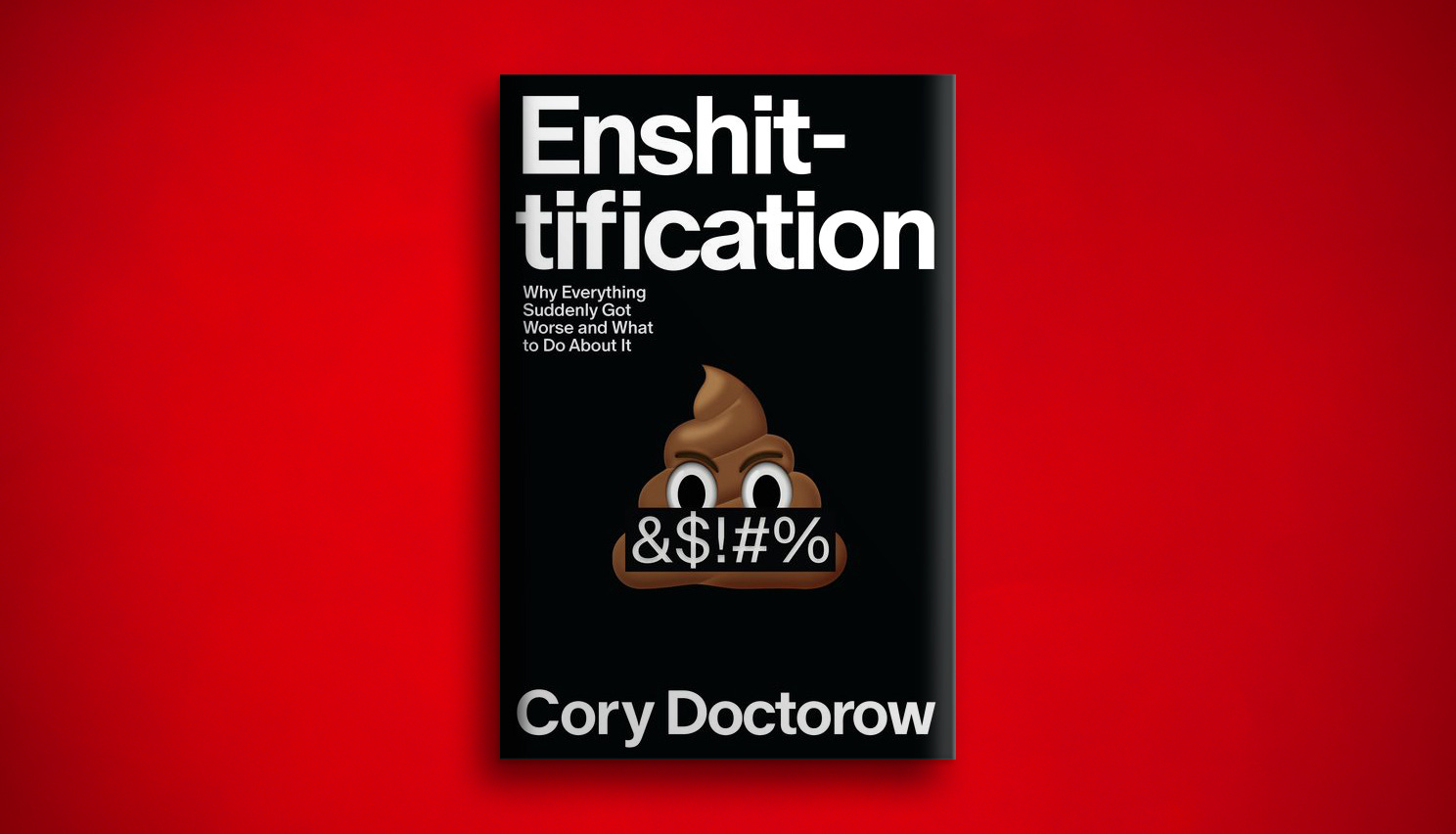
Enshittification
The book that likely needs no introduction, about the word and idea that needs less of one, by the author you all probably know, too. Cory writes so many books it can be hard to keep up, and as such, I was a little late to this one. I think it’s his best and most complete nonfiction work to date; it’s certainly the one I’ll be recommending to folks going forward. In rapid-fire, digestible prose, Cory unloads his signature blend of sagacity and snark, and imbues the enshittification coinage with a sturdy theoretical framework.
Cory and I chatted about the book, how enshittification impacts labor, and much else, a few months back:
Good stuff.
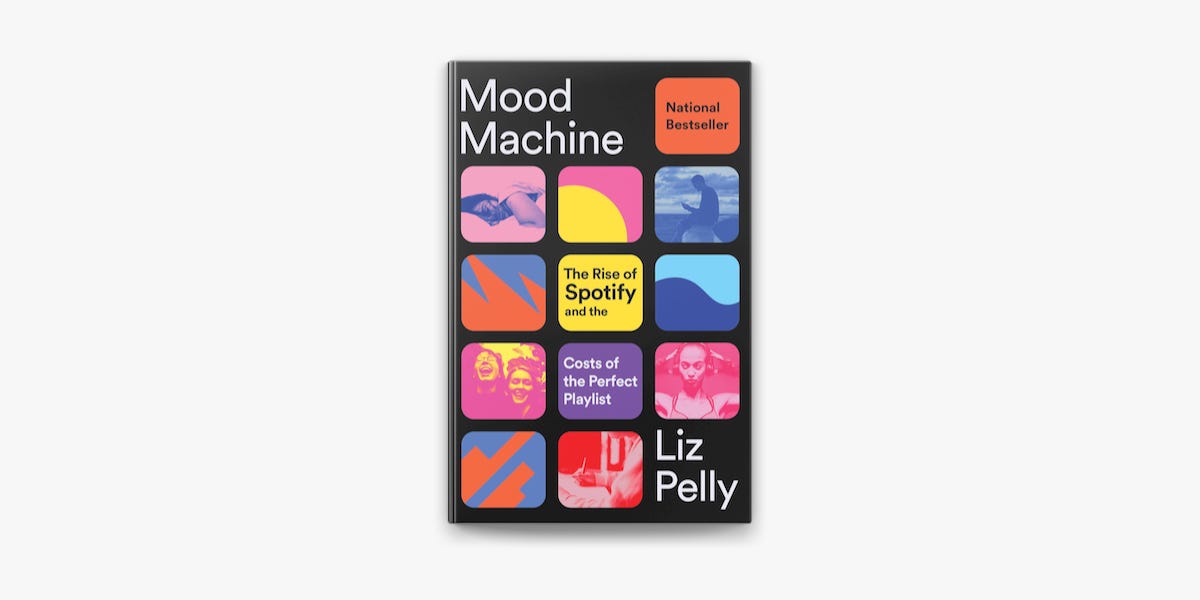
Mood Machine
I recently quit Spotify. Mood Machine is, essentially, the story of why. Liz Pelly’s treatise is at once a history of the dominant music streaming app’s rise to prominence—with some fascinating detail about its roots in Sweden’s piracy culture—and an unsparing critical analysis of its impact on art, culture, and working conditions for musicians. It’s the kind of book that gets called a “savage indictment” in reviews, and for good reason. Read it to understand what Silicon Valley’s model of cultural production and distribution, of relentlessly focusing on scale and maximizing time on platform, has wrought to music.
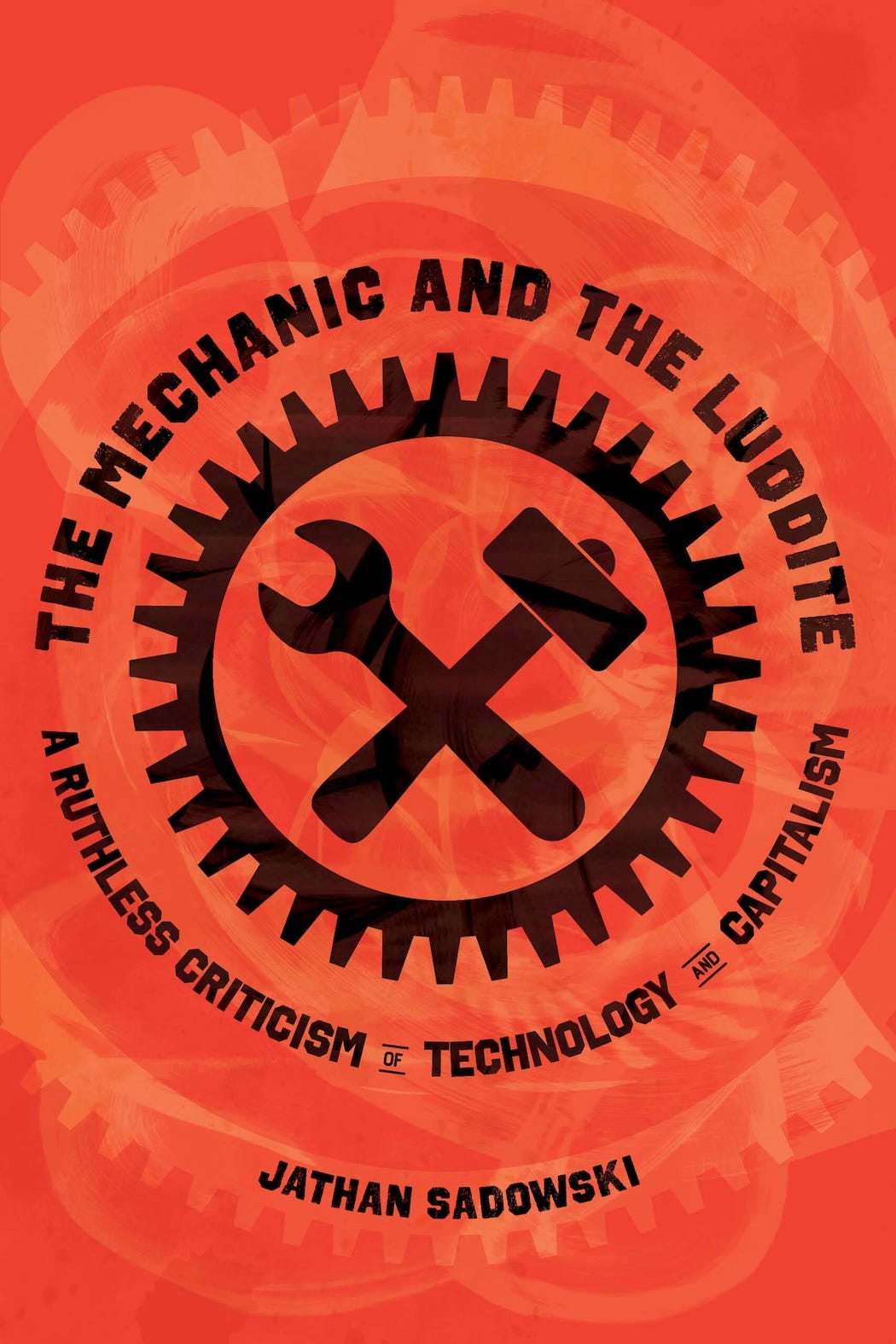
The Mechanic and the Luddite
A great (and highly readable, I promise) book advancing a critical theory of modern luddism. The sociologist Jathan Sadowski is probably best known as the co-host of This Machine Kills, one of the best critical tech podcasts going, but he’s also a great thinker on the political economy of technology. And we can all use a ruthless criticism of technology and capitalism about now.
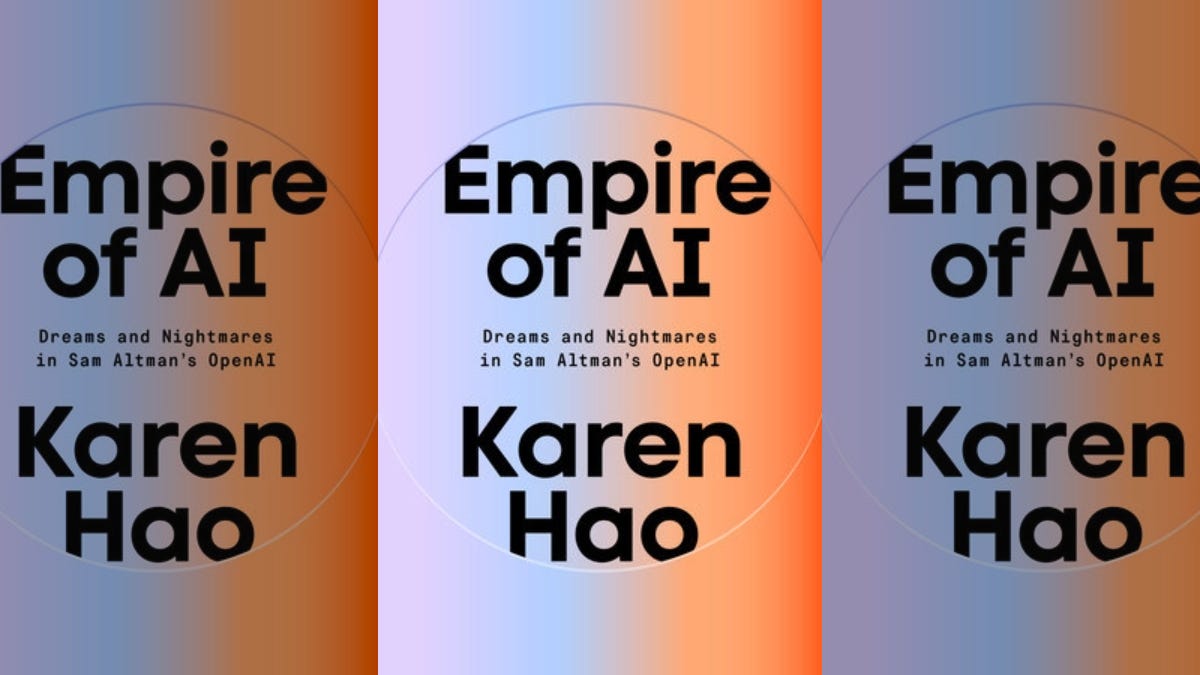
Empire of AI
What else can I say? Karen Hao’s Empire of AI is an epic feat of writing and reportage. If you want to understand OpenAI, Sam Altman, and the AI boom writ large, this is the book to turn to. It’s definitive. And it’s compelling, from start to finish; from the boardroom drama at OpenAI to the reporting trips to Kenya and Chile to shed light on the labor and environmental issues incurred by AI development, the pages keep turning.1 I read this in a couple days, even though it’s a behemoth, simply because I couldn’t put it down.
Given the stubborn centrality of all things AI—and therefore all things OpenAI—this really is one of those rare books you can say “everyone should read” and be totally sincere.
Other notable and good books, about tech or otherwise
Look, I’m just one guy. This is list is not exhaustive, and I wish I’d had the chance to read even more new tech nonfiction, an impossibility given the state of everything, and how busy I was all year. Seriously, I just grabbed all the tech books in arm’s length that I was sent this year onto a pile and just look at this thing.
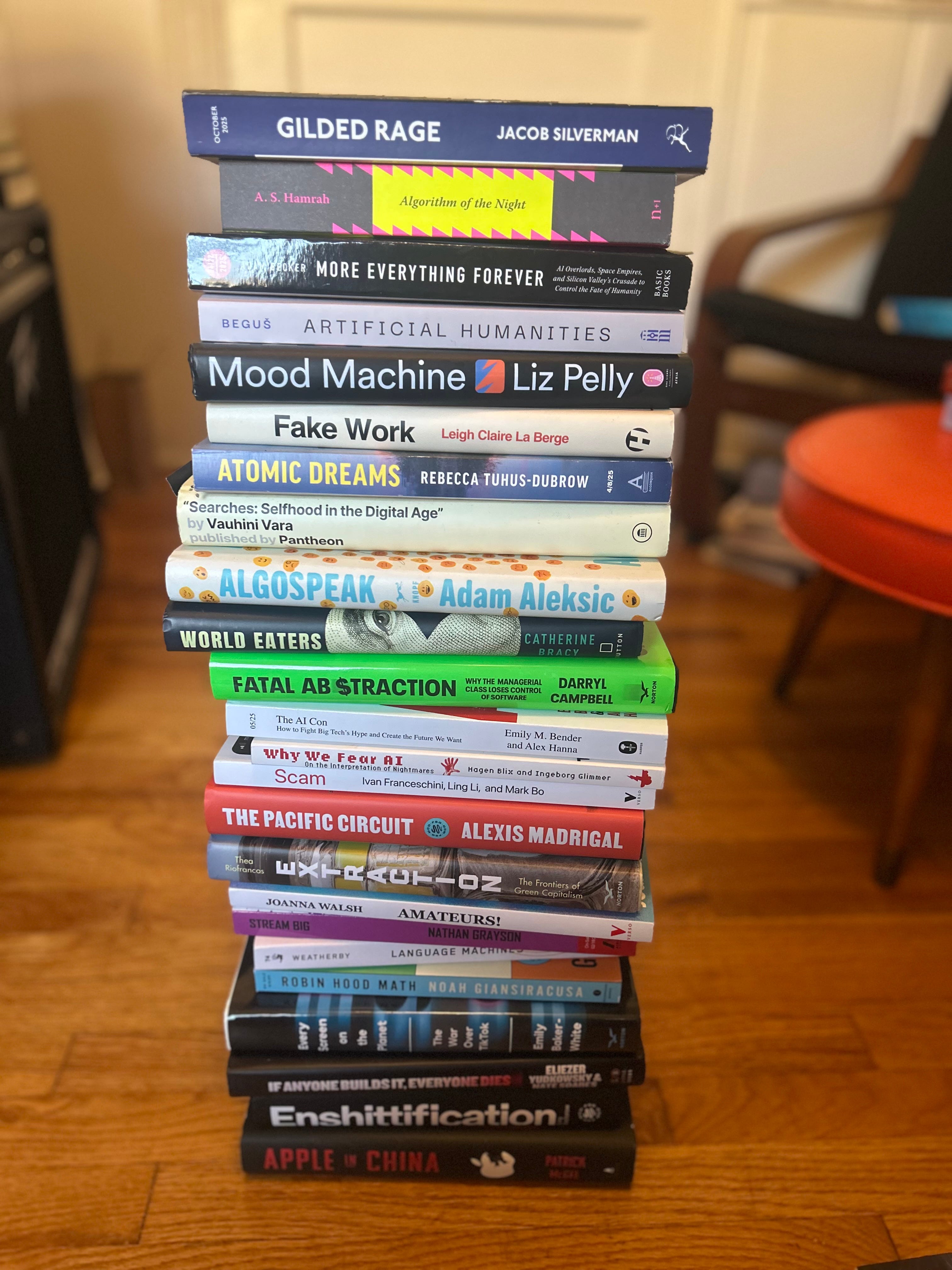
That’s just this year, and I’m missing a bunch, too.
Needless to say, there was a lot of great non-tech stuff, great tech books I didn’t quite get to reading or processing fully, and older works I revisited that I found plenty relevant to the times. Here’s some of that:
A.S. Hamrah is one of my favorite film critics. Top three, easy. I always look forward to his short reviews in n+1 and enjoy his longer stuff elsewhere; they’re about the entertainment industry, capitalism, and political economy as much as they are about the films themselves. The Earth Dies Streaming (untouchable title), his first book of collected writing, was great, and so is this year’s followup, Algorithm of the Night. The opening essay alone is worth the price of admission, and I’ve found I’m keeping the tome, which is mostly stuffed with reviews, handy to consult after watching newer films covered in the volume.
One Day Everyone Will Have Always Been Against This
Brutal, beautiful book about confronting the genocide in Gaza back here in the states by the great speculative fiction writer Omar El Akkad. It won the National Book Award, too.
I reread the late anthropologist David Graeber’s crossover bestseller this year, and at some point I’ll share some thoughts on how its thesis applies in the age of corporate AI automation; funny, cutting, great, if uneven, book.
This book, by two business professors and economic historians, formed the foundations of a piece I wrote for WIRED about the AI bubble. Invaluable for the historical context of the AI boom, and for understanding what makes a tech bubble a bubble.
I revisited China Meiville’s narrative history of the Russian revolution this year; another historical page-turner. Wrote more about that here:

So many good books
And here’s a short list of books I either haven’t gotten to yet but are on my pile and look great, or have started in on/are otherwise notable and worth checking out:
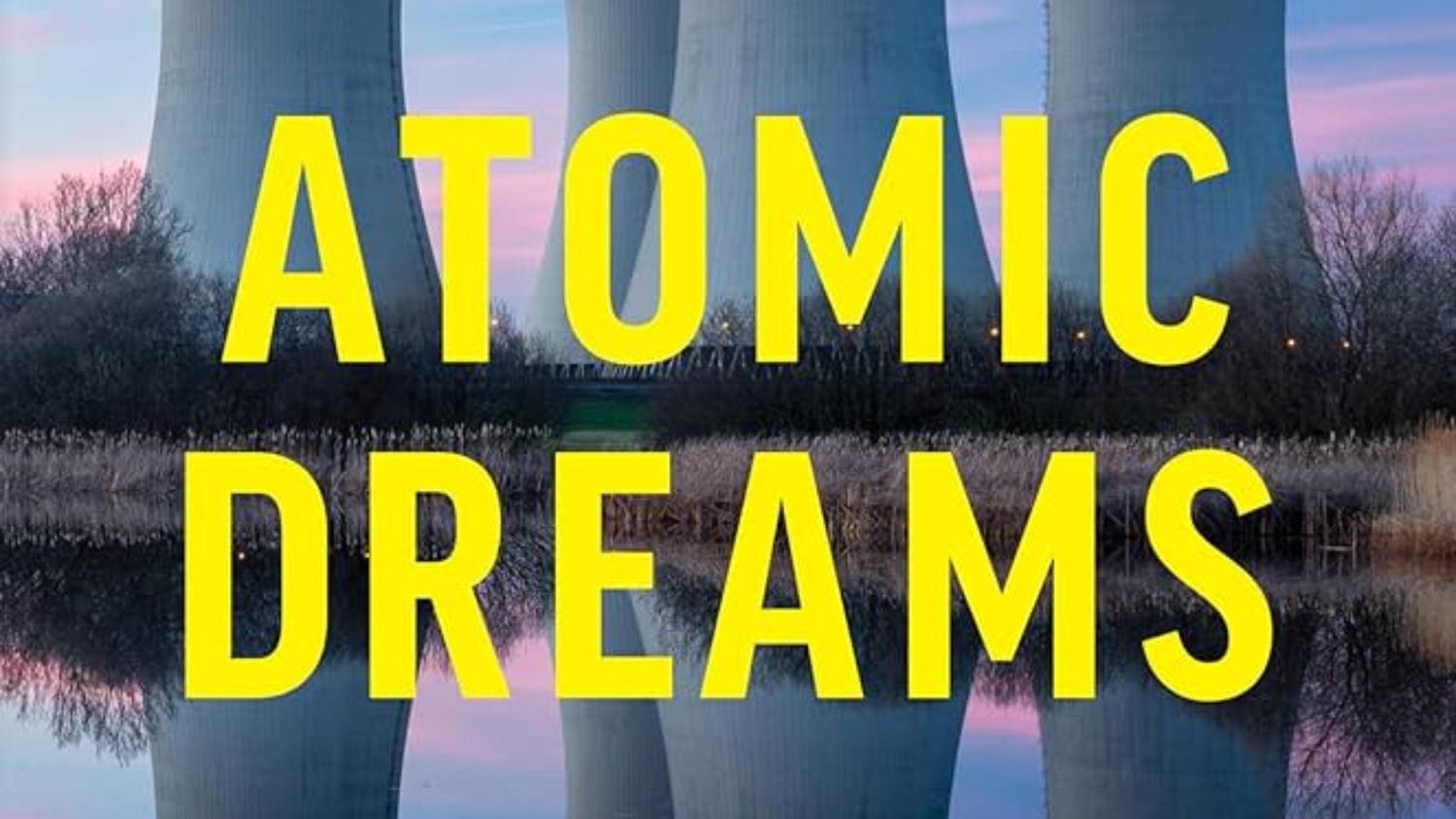
Atomic Dreams, by Rebecca Tuhus Dubrow
Extraction, by Thea Rianfracos
The Pacific Circuit, by Alexis Madrigal
More Everything Forever, by Adam Becker
Stream Big, by Nathan Grayson
Every Screen on the Planet, Emily Baker-White
Fatal Abstraction, by Darryl Campbell
Robin Hood Math, by Noah Giansiracusa
Fake Work, by Leigh Clare la Berge
Searches: Selfhood in the Digital Age, by Vauhini Vara
World Eaters, by Catherine Bracy
Scam, by Ivan Franceschini, Ling Li and Mark Bo
Amateurs!, by Joanna Walsh
Artificial Humanities, by Nina Begus
Language Machines, by Leif Weatherby
Algospeak, by Adam Aleksic
TV
Black Mirror
Yes, it’s become a punchline to some, sure, the filler to hit ratio is expanding, and no, this was not its best season. But despite lacking a Joan is Awful-type zeitgeist definer or a Be Right Back-level banger, it nailed some Black Mirror-isms—the gleefully unsubtle opener about privatized startup health care and the blue collar worker debasing himself to afford it was very much on brand—and delivered some solidly bleak future moods.
I will watch every episode of this show Charlie Brooker ever airs and I will apologize to no one.

Alien: Earth
Alien is for my money our best science fiction franchise, and it’s always been a pretty reliable vehicle for critiques of AI and corporate power. I thought Noah Hawley’s take was pretty fun (with great creature design) even if the initial promise of its taking place in a society governed outright by tech billionaires—one run by the famed Yutani, or Weiland-Yutani no less—didn’t bear much fruit. I wish it had focused less on the child-robot hybrids and more on that, but you do get some good Frankenstein stuff, billionaire caricatures, and a top-form android Timothy Olyphant.
Pluribus
Whether or not the show is supposed to be about AI is almost beside the point; Pluribus nicely articulates the threat of mass homogenization and lost human companionship a lot of us are feeling right now. (Though the scene where the alien cipher recites insipid reviews of the fantasy author’s book has to be a riff on ChatGPT, I don’t care what Vince Gilligan says.) Ideally suited sci-fi for a moment in which AI is quite actually making people who use it sound the same.
The Chair Company
Maybe gets my vote for the best show about technology of the year, despite not really being about technology at all. After an embarrassing incident at a high-profile sends Tim Robinson’s spiritually hollowed-out company man spiraling, he turns to the internet for answers, where his efforts to speak to an actual human are denied but where he instead finds a wealth of materials inscrutable enough to mean anything, and a prime opportunity to recast himself as protagonist in his own life. It’s almost like a Crying of Lot 49 for the 2020s with anger management issues. There’s a riff on QAnon-type online conspiracy theorizing in here, but it’s more about how late capitalism has stranded us in a wasteland of obsolescing malls, alien corporate cultures, and indecipherable digital media, and left us to find purpose amidst the wreckage. Robinson’s hero reaches out for answers, only to be waylaid by automated customer service systems, websites for shell companies, and angry social media posts. (And finds solace in the YouTube comment section.) I just wish the show bothered to properly close out the season’s arc; otherwise, it’s fittingly anxious, dark, and extremely funny.
Film
The Shrouds
A strange film, even for Cronenberg, in part due to its subdued tone. A review I read somewhere that I can’t find now mused that it felt more like people talking about making a Cronenberg movie than a Cronenberg movie. Fortunately that still makes for a better film than most directors can muster. It’s about a grieving widower who is so obsessed with his deceased wife’s body that he builds a system that allows him to watch it decay in the ground and turns it into a startup so others can do the same with their dead loved ones. Then there’s sabotage, dubious biotech, and corporate intrigue, and it gets weirder from there.

Mickey 17
Bong Joon-ho in his madcap anticapitalist sci-fi mode; his Okja/Host/Snowpiercer mode, which I happen to love. This is not the very best of the films in said mode, but I still think it got unfairly overlooked. True, Joon-ho could have done a lot more with the conceit of an endlessly reprintable and thus expendable human worker, but the sequence that details Mickey’s initiation into his new life as an infinitely immiserated lands the film a spot on this list.
Frankenstein
In which Guillermo del Toro gets Frankenstein’s monster right for a change. I very enjoyed this film; so much so that I wrote about it at length here:

Companion
My favorite luddite horror film of the year. Clever and misanthropic, it capably (and gorily) subverts the AI/robot run amok trope. I won’t say much more, since it feels like it hasn’t been widely seen yet, and this is one that’s better watched cold. Suffice to say that the film makes a rather visceral case both that AI is an ideal vessel for abuse and exploitation and that maybe we *should* be suspicious of anyone who’s too into their chatbot.
Bonus: Best anti-AI death metal album
That would be The Diseased Machine, by Mutagenic Host.
Please enjoy an album full of songs like “S.W.A.R.M. (Systematic War Against Restless Machines)” and “Artificial Harvest of the Obscene.”
Alright everyone, thanks again for reading. Hope you find something good to read or watch in there. Drop any of your own recs in the comments below, and I’ll look forward to firing things up again in the new year. Until then: cheers all, and onwards.
Issues with numbers in a government report on data centers she cited in the book have been pointed out; Hao has handled them with grace, and issued the necessary corrections. This doesn’t blunt the impact of her book one bit.
I have yet to see a tech memoir where the author is being honest with themself and the reader, like, “I was a part of this and I know I screwed up. No excuses here.”
Careless People was a wild ride from the very beginning, with the unhinged parents and the author using the possible death of her sister as an inspiration to further stalk the Facebook woman.
And that scene at the end where a woman was dying in the office and nobody cared except for our heroic author? Come ooooooon…
(sorry for the spoilers, lol)
Thanks for the list, I am happy to see that I already have some of the books either under my belt or there waiting. I will definitely have to get the others!
i agree with you that Careless People is way to much a "I knew better but nobody listend to me". i would add, in its defence, that there are points that might feel more real like when she admits that she would not leave the company because of the stocks vesting (the famous golden handcufs) or medical insurance. That felt real enough toe :)