


Monterey Park, a small city seven miles east of downtown Los Angeles, became the first in California to pass a measure permanently banning the construction of data centers. The city council voted unanimously on three overlapping ordinances that officially label data centers a public nuisance, and “prohibit all data centers within city limits.”
The vote came after an hours-long public comment period, in which dozens of Monterey Park residents spoke out against the prospect of new data center construction, and after months of community organizing galvanized opposition to the project. No Data Centers Monterey Park (NDCMP), a small band of concerned citizens, and the San Gabriel Valley Progressive Action, a local activist group, made headlines earlier this year when they successfully pushed the city to halt a proposed data center project.
An Australian asset manager, HMC StratCap, had proposed a 250,000 square foot data center in an old shopping center. Bear in mind, Monterey Park is a quiet enclave that’s home to fewer than 60,000 residents, many of them Asian American, and some of the best Chinese food in LA. After organized pushback began in earnest last winter, in short order, the city canceled the project, the company withdrew the lease, and the government passed a temporary moratorium on data centers. It was such a successful campaign that a local news outlet ran a feature about it called, “How to Stop a Data Center in Your Backyard.”
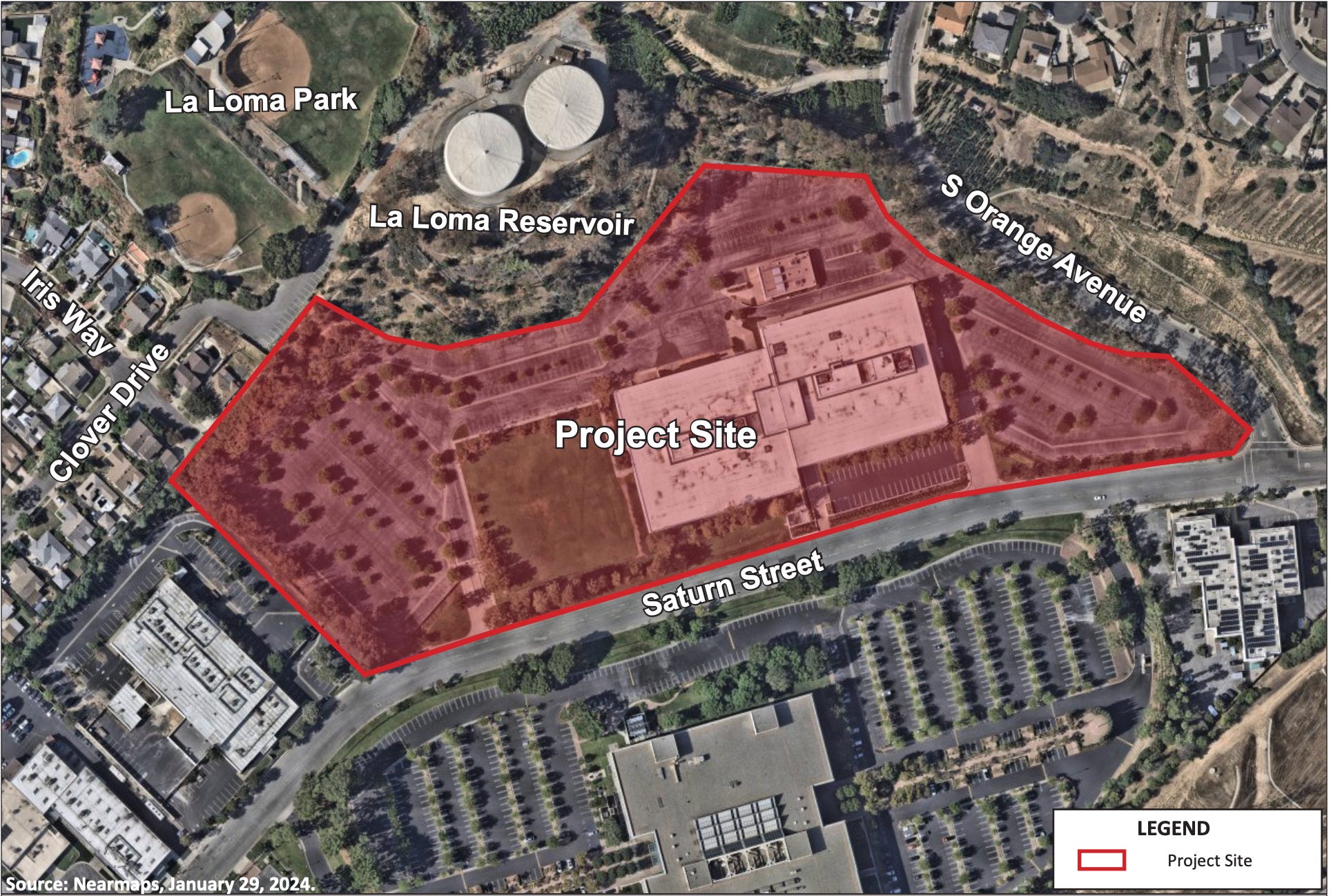
But the organizers weren’t done. They pushed city council to take up an ordinance installing a permanent ban, and to put a measure to voters to enshrine it at the ballot box, ensuring the ban could only be overturned by another such democratic vote. The ordinance passed on April 20th, and the ballot measure is up for a vote on June 2nd.
The cavalcade of public comments at the hearing before the vote left little doubt that Monterey Park residents overwhelmingly disdained not only the prospect of a massive, noisy, and polluting infrastructure project being erected in their backyards, but who that project would benefit, at their expense.
“Data centers strain the electrical grid, increase costs, and make it a liability for residents and local businesses,” one resident said in her public comment to the council. “They go up there, emit harmful pollution, worsening air quality in a community already disproportionately impacted by pollution. And there’s no community benefit.”
“I can tell you that this issue has brought left, right and center together. It’s a quality of life issue,” another said. “Don’t let the rich steal our future.” Another: “We are against this oligarchic techno-fascist future.” Still another held his phone up to the mic while he played an audio file of a recording of a hyperscaler’s data center; it sounded like gnarled white noise. Comment after comment; story after story. I remarked on the sheer volume to someone seated nearby; they told me I should have seen the last hearing. It was so packed that a line went out the door, there were hundreds of comments not dozens, and the hearing lasted six hours.
This night, the only votes in support of the project came from members of a building union, who arrived in matching orange vests, and argued that the work would create jobs for their membership. (“We’re here for the work, we’re here for our families,” one said.) Some residents, meanwhile, pointed out that they weren’t against labor—and many highlighted their own union membership—but rather the thing they wanted to build. One pointed out that the builders didn’t live in the city; they asked for a show of hands of who lived locally, and none of theirs went up.

“It’s really been driven by speculation,” said Andrew Yip, an organizer with SVG Progressive Action. “Right now, you know, the faster your data center can process information, the more money can make. So that’s why we’re seeing larger data centers with more processing capabilities, meaning more energy use, more pollution, more water use. And so when we saw that come into Monterey Park, you know, just hearing all the horror stories from across the country. Yeah, we had to fight back.”
Monterey Park may be the first city in California to ban data centers (and not just pause them); if the voters give them the thumbs down in June, it will be the first time American citizens directly vote to ban them.
“I believe we’re the first, if I’m not wrong,” Monterey Park mayor Elizabeth Yang told me. “We’re super excited that the council tonight has unanimously passed its ordinance. And we’re so grateful that we have such actively engaged community members who have come out again and again, meeting after meeting to share their thoughts.”
“I’m very happy with it,” Yang added. “I think it was an accurate representation of what our city wanted.”
We have tried organizing to get our city council to not approve an ill-advised single-family home subdivision or to stop a deal allowing Flock cameras on our town square. Both efforts failed because the Republicans on Council had their minds made up from the go. Would love to know what has moved the needle in other communities, because I feel like if data centers come calling in my county, the even more conservative County Board will roll out a red carpet for them.
Hey Brian, thanks so much for covering this! I think I was sitting behind you at the meeting and I didn't even realize :) We've been fighting hard and the group organizing against the proposal is incredibly skillful and strategic. And residents are very well-researched and passionate. I feel that you captured this really well